Composer Spotlights
Click any composer to access their full workshop — charts, tracks, and context for every song.
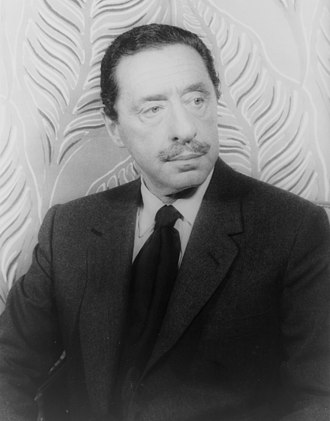
Harold Arlen
1905–1986The great melodist of Tin Pan Alley. Arlen wrote over 500 songs including the score for The Wizard of Oz. His blues-inflected style and sophisticated harmonic language make his songs a master class in jazz vocal phrasing.
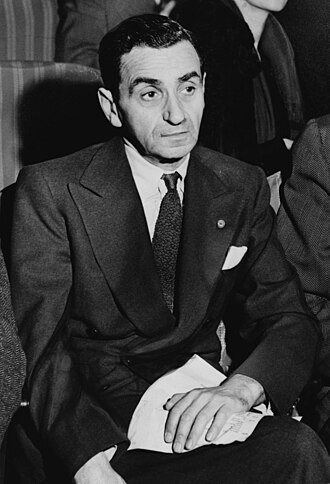
Irving Berlin
1888–1989One of the most prolific American songwriters of all time, Berlin wrote words and music for over 1,500 songs. He shaped American popular song for six decades — from ragtime to Broadway to Hollywood.
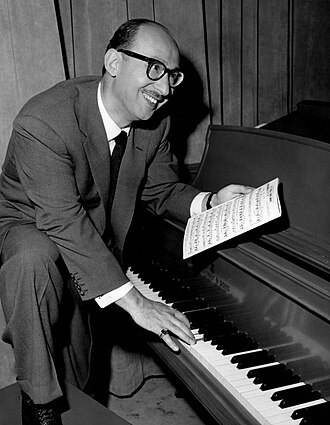
Sammy Cahn
1913–1993Four-time Academy Award winner and Sinatra's go-to lyricist. Cahn's wordplay, wit, and deep understanding of swing phrasing make his lyrics a joy to interpret. From Come Fly With Me to All the Way, his catalogue defines the Capitol Records sound.
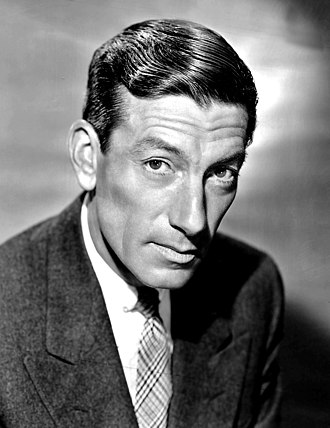
Hoagy Carmichael
1899–1981Indiana-born Carmichael was the quintessential songwriter-as-character — his melodies feel like they were hummed into existence on a warm summer evening. His songs demand a relaxed, storytelling approach above all else.
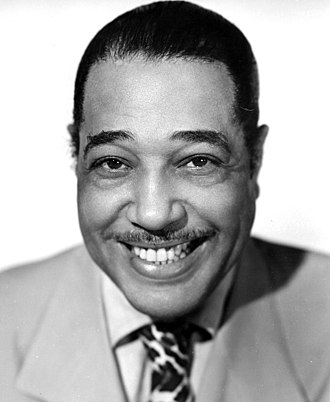
Duke Ellington
1899–1974Edward Kennedy Ellington transformed American music as composer, pianist, and bandleader. His songs have an orchestral richness that rewards singers who dig into their harmonic depth and extended structures. Many co-written with collaborator Billy Strayhorn.
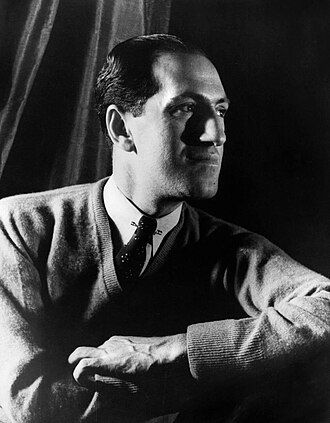
George Gershwin
1898–1937Gershwin fused jazz and classical into a uniquely American voice. His partnership with lyricist brother Ira produced some of the most enduring standards in the repertoire — songs that reward both technical precision and emotional abandon.
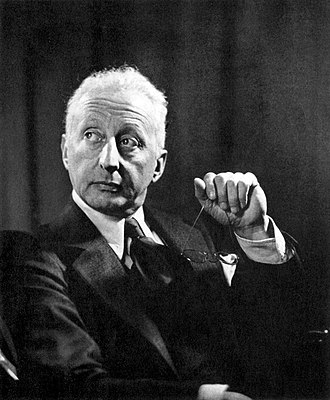
Jerome Kern
1885–1945Kern elevated the American musical from variety revue to integrated drama. His melodies have an elegant sweep and sophistication that set the template for the Great American Songbook. All the Things You Are and The Way You Look Tonight remain essential jazz vocal repertoire.
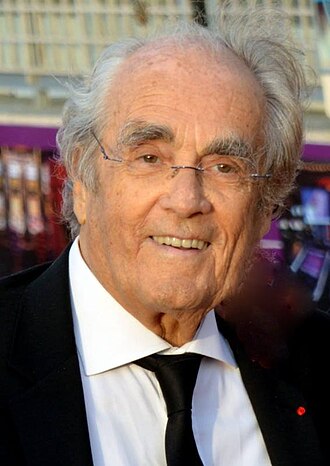
Michel Legrand
1932–2019French composer Legrand brought lush, European romanticism to American jazz and cinema. His film scores — from The Umbrellas of Cherbourg to The Thomas Crown Affair — produced some of the most hauntingly beautiful melodies in the jazz vocal repertoire.
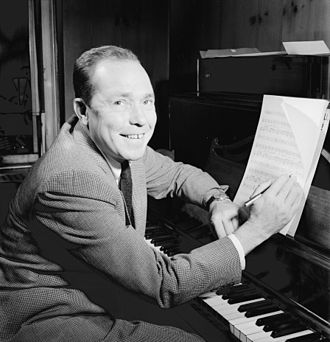
Johnny Mercer
1909–1976Georgia-born lyricist, singer, and co-founder of Capitol Records. Mercer had an unmatched gift for idiomatic American speech set to music. From Skylark to Moon River, his words feel like they were always there, waiting to be written.
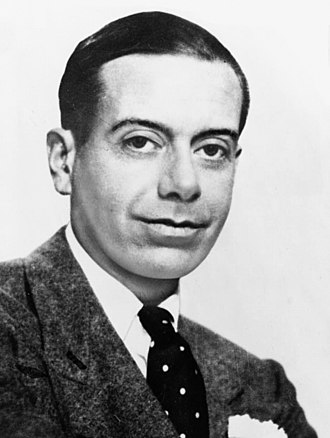
Cole Porter
1891–1964Porter brought wit, sophistication, and elegant wordplay to the American Songbook. His lyrics are famous for internal rhymes, double meanings, and cosmopolitan sensibility. His songs demand a singer who can hold wit and ache simultaneously.
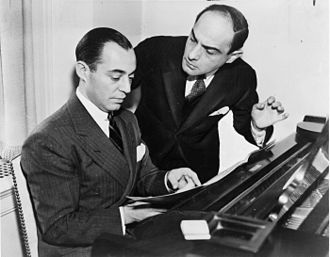
Rodgers & Hart
Richard Rodgers 1902–1979 · Lorenz Hart 1895–1943Before Hammerstein, Rodgers partnered with the brilliant, mercurial Lorenz Hart — one of the great lyricists of the American Songbook. Hart's bittersweet irony and Rodgers's melodic invention produced songs that feel simultaneously ecstatic and heartbroken.
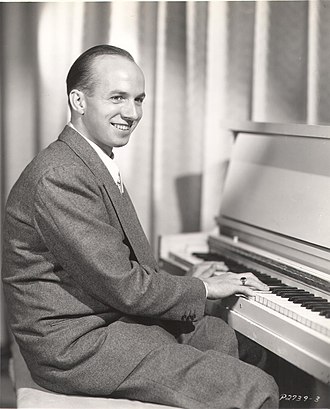
Jimmy Van Heusen
1913–1990Van Heusen was Sinatra's go-to composer, winning four Academy Awards for songs that became the foundation of the Capitol Records sound. His partnership with Sammy Cahn produced some of the most swinging, emotionally direct songs in the repertoire.
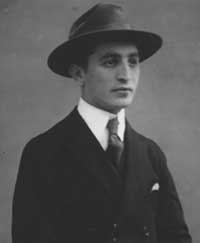
Harry Warren
1893–1981The most recorded American songwriter of the first half of the 20th century — and one of the least known. Warren wrote some of the most enduring melodies of the Swing Era, primarily for Hollywood films. His songs have been waiting to be rediscovered.